
Deed Types in Fayette County
The Fayette County deed records index holds ordinary deeds and special instruments alike. A label is only a filing category. Read the image, the parties, and the legal description before deciding what interest actually moved.
| Deed Type | What It Does | Common Use |
|---|---|---|
| Deed | Records a conveyance | Build the transfer chain |
| Deed of correction | Corrects a prior deed | Resolve a stated error |
| Condo deed | Conveys a condominium interest | Match unit and master deed |
| Affidavit of descent | Records descent facts | Trace an estate transfer |
| Agreement to deed | Records an agreement | Distinguish it from a completed deed |
Mortgages, liens, releases, assignments, easements, plats, land contracts, powers of attorney, and wills all sit in the same Recorder index. Many of these entries help explain a chain of title. Not every one transfers ownership, so weigh each document by what it actually does.
Search Fayette Recorder Fields
The Fayette land-record search accepts grantor and grantee names, a combined party query, street, subdivision, lot, block, instrument, book/page, description, recorded dates, consideration, and instrument categories. Start with one strong field. Loading every box at once tends to bury matches that a single well-chosen term would surface.
| Field | Use | Caution |
|---|---|---|
| Party name | Locate grantor or grantee | Try company and name variants |
| Street | Narrow modern land | Older deeds may lack the address |
| Subdivision, lot, block | Find platted parcels | Match the legal description |
| Book/page or instrument | Retrieve a known filing | Read the image |
Results cap at 1,000 records. Narrow a common Fayette County name with party role, dates, street, or instrument type.
Build a Fayette Deed Chain
The grantor conveys; the grantee receives. A chain of title ties the recorded instruments for one Fayette County parcel together, and while names drive the search, the legal description is what confirms you have the right land.
- Find the current listed owner's acquisition deed.
- Read the grantor and recording reference.
- Search that grantor as an earlier grantee.
- Repeat while the legal description remains continuous.
- Grantor
- The conveying party.
- Grantee
- The receiving party.
- Chain of title
- The linked series of land instruments.
- Book/Page vs Instrument #
- Two ways Fayette identifies a filing.
Read Fayette Daily Filings
The Daily Notebook lists recording date and time, instrument and book codes, book/page, names, and an image. Grantees appear in red. Use it as a recent-record lead rather than the final indexed deed; the Recorder menu below links the county search routes that close that gap.
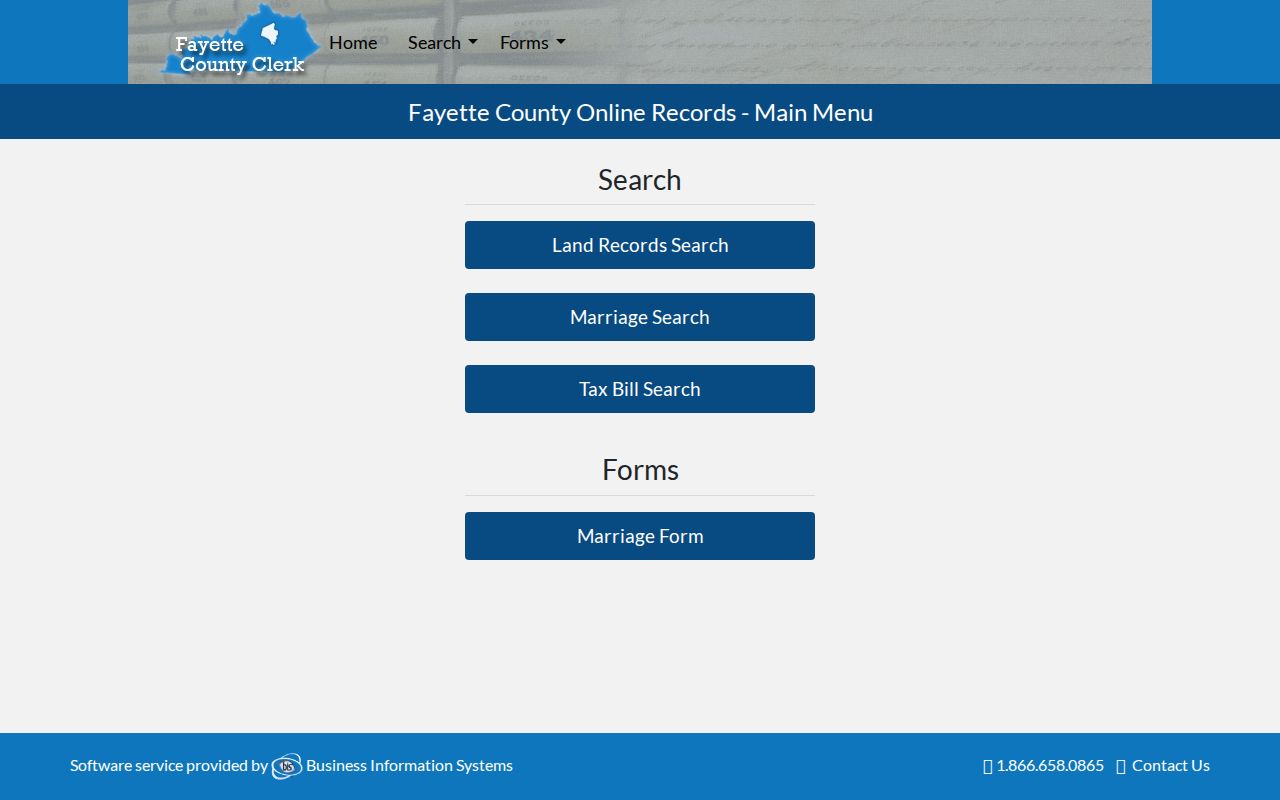
Use the menu to reach the full index. Keep the deed image or certified copy.
Older Fayette Deed Books
Older volumes sit behind the portal's Old Index Books control. It states no complete modern-index start year. When online coverage stops, preserve the last known name, date, book/page, and legal description.
The State Library Fayette guide lists old court, will, map, and directory holdings. Ask about deed books and microfilm. The State Library or Indiana State Archives works as a finding-aid fallback.
Note: No official source documents a Fayette courthouse-fire gap. No official source documents a complete digitized run of early deed books.
Fayette Land Description Clues
Connersville parcels often carry subdivision, lot, and block terms. One reads "Conwells NE pt Lot #8 Block #1." Another entry identifies Edgewood lots 20 through 22. These sit in block 8. Rural land differs. It turns on quarter-section, township, range, and acreage instead. Search the wording the card supplies, but let the deed and plat control the description.
Corrections, affidavits of descent, certified wills, and releases can interrupt a simple deed sequence. This happens often in Fayette County deed records. Public probate context may appear in Indiana MyCase. The Fayette Clerk is the fallback for files not online.
Fayette Estate Deed Trails
An estate transfer rarely shows up as one clean sale deed in Fayette County deed records. The instrument menu covers affidavits of descent, affidavits for real-property transfer or intestacy, certified wills, powers of attorney, and orders. Search decedent and estate names in both party roles. Then compare the deed description with any public probate file the Fayette County Clerk holds.
Fayette County courts sit in Indiana Judicial District 18. MyCase can supply public case context. Older documents and full probate files may still require the clerk counter. Try phone, email, or a written request. Court access rules keep confidential or sealed material protected.
Verify Fayette Deed References
Book/page and instrument numbers are retrieval keys. They never replace the deed image itself. Compare the grantor, grantee, recording date, and return address if present. Check the full legal description line by line. A consideration range in the index is neither the assessed value nor the tax balance. It is not the current asking price.
Corrections and releases deserve their own review. A deed of correction may change a name or description tied to an earlier filing. A mortgage release clears only the mortgage it names. It does not erase every possible claim. Search the same parties and parcel terms for related entries.
Note: A deeded-owner history on the tax card is only a lead. It is not a complete chain of title.
Request Fayette Deed Copies
The Fayette County Recorder is at 401 Central Avenue, first floor, Connersville, IN 47331; phone 765-825-3051 and email recorder@co.fayette.in.us. Provide an instrument number or book/page, party names, date, and land description.
Indiana's 2025 recorder resource lists $1 per page through 8.5 by 14 inches, $2 per page above that through 11 by 17, and $5 for certification or acknowledgment. Confirm local payment and delivery terms. The portal's non-indexed image area recommends AlternaTIFF, but its years and any payment gate were not stated.
Recorded, not guaranteed. Fayette deed records show what was filed. They do not establish clear title, resolve unrecorded interests, or replace a legal opinion.
Fayette Deed Access Channels
The online index is one route into Fayette County deed records. The Daily Notebook flags recent filings. Non-Indexed Documents may supply other images. Old Index Books points toward earlier material. None of these states a complete year-by-year coverage range, so expect gaps.
When an image is missing, contact the Recorder by phone, email, mail, or at the courthouse. Include party names, the date, a recording reference, the parcel address, and legal-description terms. Ask for an existing record, not an ownership opinion. Indiana's Access to Public Records Act, IC 5-14-3, opens a request route for public records not posted online.
Match Fayette Deed Evidence
A sound Fayette County deed match starts on the parcel card: APN, map number, situs, legal description, and the newest owner entry. Translate those facts into recorder fields. Party, street, subdivision, lot, block, book/page, instrument, and date are the columns to fill, with variants in additions and entity names preserved. Connersville land may use addition, lot, and block. Rural tracts use quarter-section, township, range, section, and acreage. Compare each transfer with the prior deed and plat. Splits, combinations, corrections, and partial conveyances deserve extra care, and consideration is a search clue, not assessed value or a current estimate.
Audit a Fayette Deed Chain
Give every instrument its own row on a finished chain worksheet. Log the filing date, deed type, grantor, grantee, book/page or instrument number, legal description, and image status. A short portal label is easy to mistake for the deed itself. Flag any result that is only an index entry. The worksheet also exposes gaps, such as a grantor who never appears as an earlier grantee.
Names reward patience. Run a surname with first-name and middle-initial variants. For an LLC, trust, or other entity, keep the commas, abbreviations, and spacing intact before repeating with a simpler form. The Indiana business search can clarify an entity's official name and status. Even so, a registered agent or business address proves nothing about who owns or occupies the parcel. The recorded grantee and legal description remain the land evidence that counts.
Dates carry several meanings. One deed may show an execution date, an acknowledgment date, and a recording date. The Recorder index is built around the filed record, so narrow results by the recording date. A tax card's dated owner sequence can hint at a transfer, but the card never replaces the instrument. For a freshly filed deed, consult the Daily Notebook first, then return to the standard index once the entry settles.
Context matters as much as the deed. When names or a legal description misalign, search for a deed of correction. Review plats when a lot or subdivision changed. Death-related transfers call for an affidavit of descent, certified will, or court order. Mortgage releases and assignments explain encumbrance history without proving ownership moved. A lis pendens or judgment filing may also require a linked public court search.
Bridge online and paper sources for older chains. Write down the last reliable grantee and the matching grantor. Add a narrow date span, the exact addition or section description, and the last book/page. Carry that packet to the Old Index Books option or the Recorder counter. The State Library's maps and county guides help with changing place names. The Indiana State Archives can advise on permanent state holdings. Cite neither source as the county deed unless it actually supplies the instrument.
Decide which copy you need. An online image suits informal house-history work. A plain county copy is a stable office-supplied reproduction. A certified copy adds the custodian's certification but still does not insure title. An easement's legal effect may need a lawyer. The same goes for an unrecorded interest, a boundary conflict, or insurable ownership. Turn to the appropriate attorney, title professional, or surveyor.
Note: Keep the complete legal description with each Fayette deed entry because a street address may change while the land description continues.
Fayette Instrument Cross-Checks
Related instruments can confirm or complicate a deed trail. A plat may establish the lot and block terms that later Fayette County deeds reuse. An easement can burden use without conveying the whole parcel. A release should identify the mortgage or lien it addresses. Treat a land contract or agreement to deed as unfinished. Confirm that the deed itself was recorded. Search the same names, date span, and land description for connected entries.
The Non-Indexed Documents area is a separate image route. Its rendered page does not state exact coverage years and recommends AlternaTIFF for viewing. If the viewer fails, save the available identifier. Then ask the Recorder for another delivery form. A screenshot of an index row is not the instrument.
Fayette County publishes no official property-fraud alert signup. Owners worried about an unfamiliar filing can inspect the Daily Notebook and index. Pull the image, then contact the Recorder through the published courthouse information. Avoid private monitoring claims lacking an official county source.
When a chain matters for a purchase, estate, or boundary decision, preserve both the search result and the document supplied by the custodian. Record the date of access. Verified-through status changes. Recheck recent filings after indexing. Compare with the tax card only as a secondary administrative cross-check, since that disciplined trail makes later corrections, party-name questions, and legal-description changes easier to explain.